A
AutoCAE.ai
ONE PRODUCT DESIGN. ONE INTEGRATED REPORT.
A complete overview of the product design risk
Take AI glasses system as an example, showcase what you will get within one engineering assessment report.
The demonstrations below are chapters of a single report — not separate projects.
1 DAY · COMPLETE FULL SIMULATION / 3 DAYS · FROMAL CLIENT REPORT
1 System overview — AI Glasses Modeling
60+
simulation plans
26 drop orientations, 24 ball impacts, 3 stiffness, 2 modal, 3 thermo-mech, Buzz and Rub, Yank, etc.
3.35M
elements
65 parts, membrane skins on brittle parts
30%
of conventional cost
from hiring consulting firm or in-house FEA group
1 Day
CAD to Single Drop Risk report
versus weeks with a conventional workflow
FROM CAD TO SINGLE DROP REPORT
6.5 min
CAD to checked FEA model
45 min
Single drop validation with customer
CAD
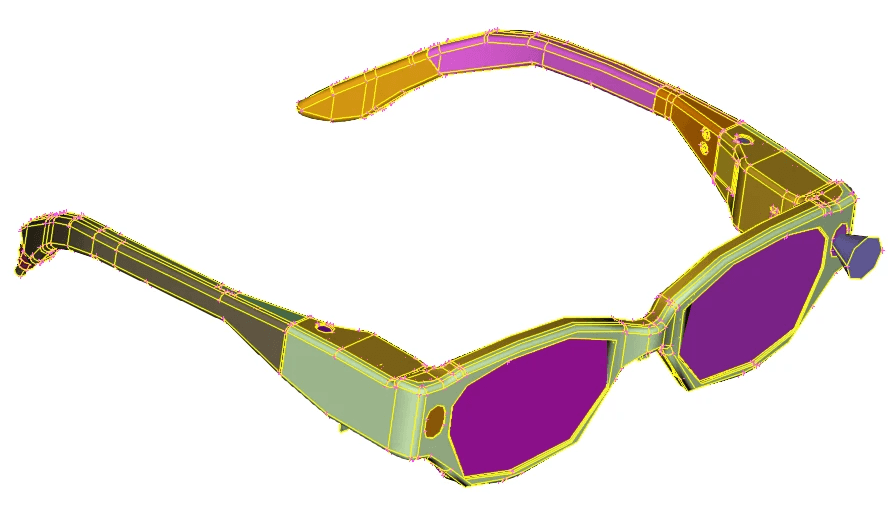
Mesh

Full Model Built

Single drop report
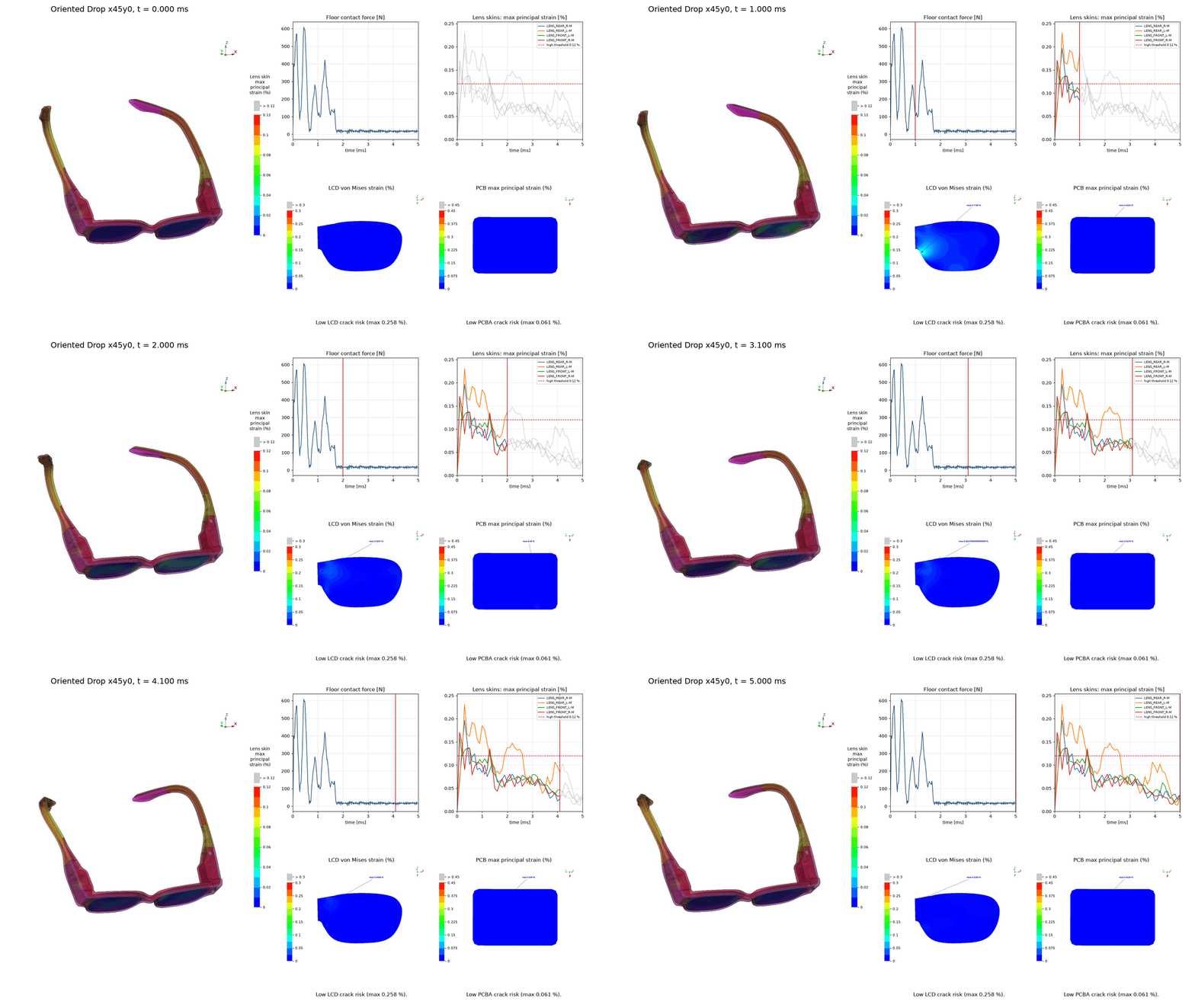
1-hour turnaround for single drop results from CAD
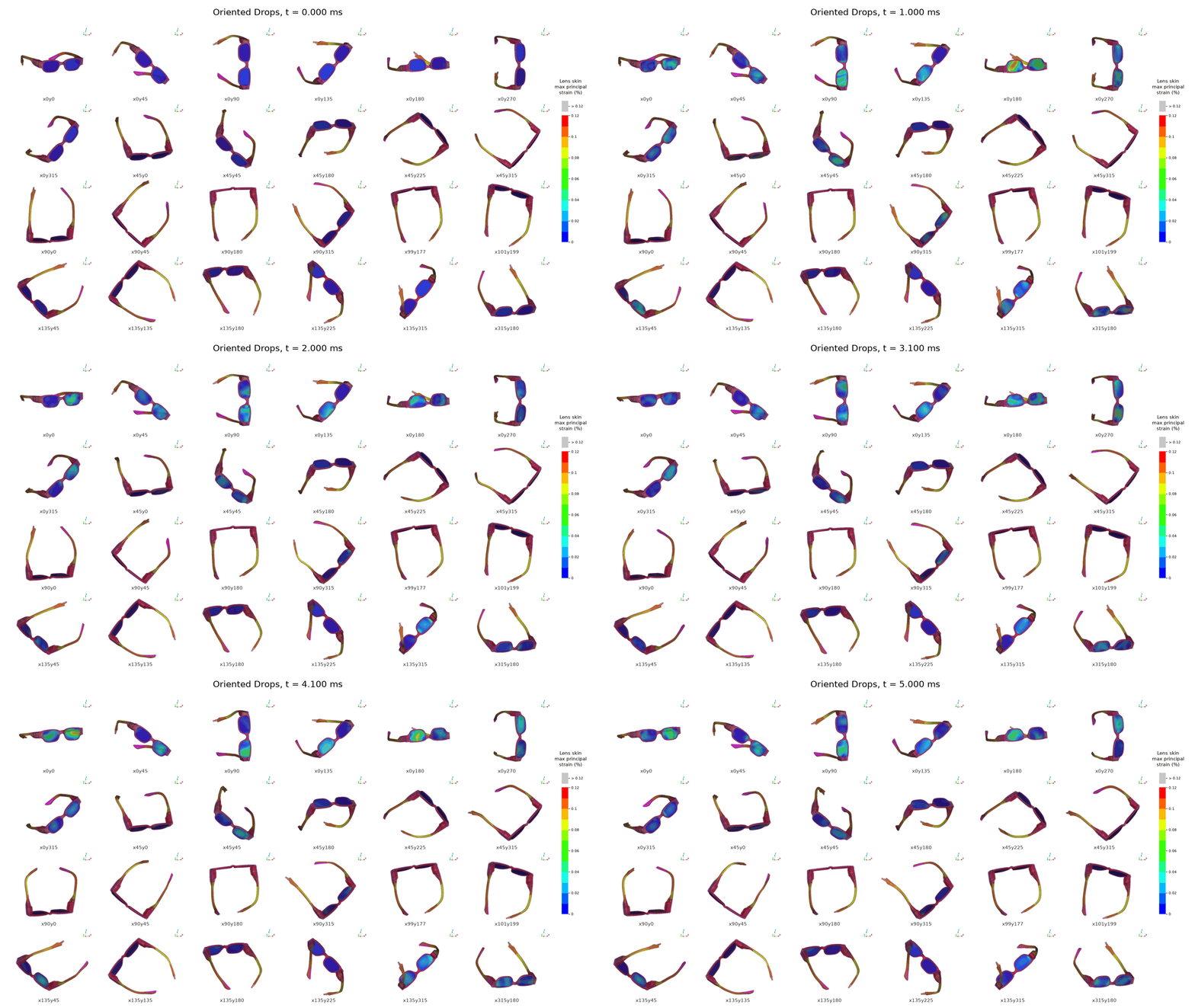




2-1 Oriented Drops Demo
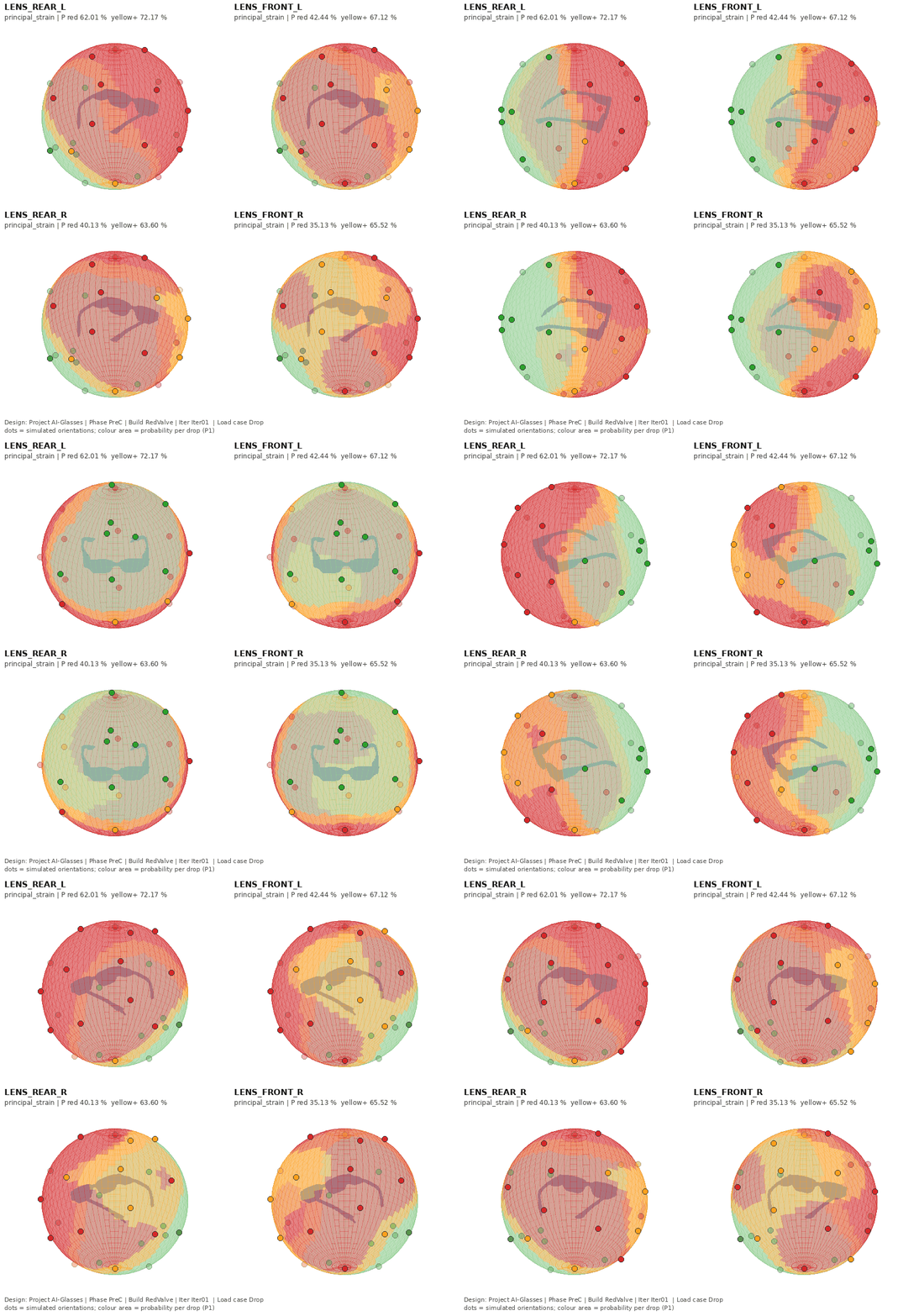
Glass probability of failures per part per orientation under two different designs
Switching Sodalime glass to Aluminosilicate Glass
can significantly reduce the glass crack risk.
2-2 Ball Impacts Demo
Impact standard based on ANSI Z87.1
Glass failure probability per location
Every failing part: its strain envelope over all cases
Animated Performance
30% GFPC front cover will have dents and high crack risk


2-3 Broader System Risk Coverage
Modal Analysis, free-free
Rub & Buzz, soft skin head, speaker force 0.7W
System Stiffness
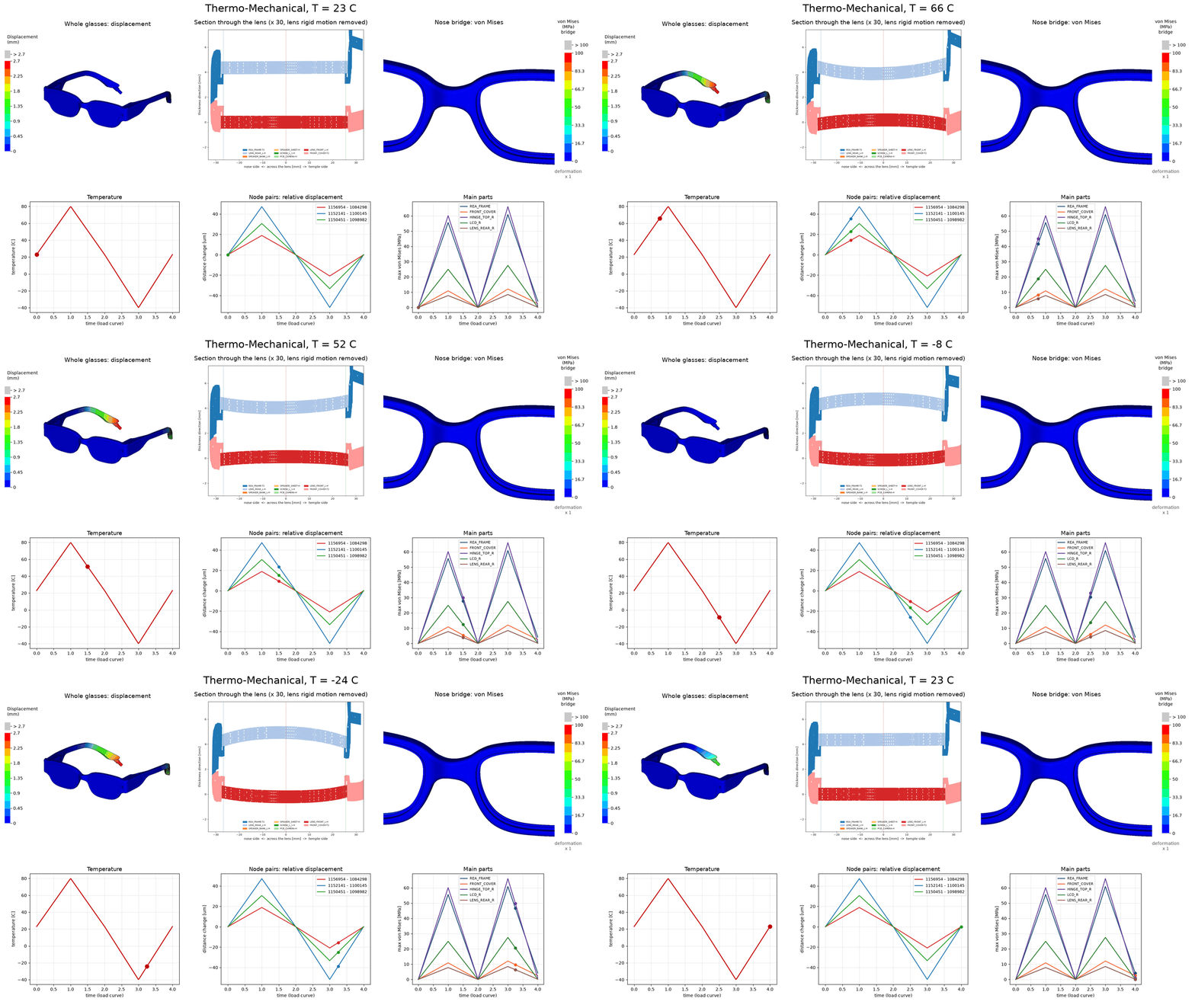
Thermal-Mech Coupling
SRS of PCB module



First resonance on the head is 255 Hz;
the OLED module resonates locally near 1 kHz, where the speaker plays.
At 0.7 W only one of 35 interfaces buzzes: right temple inner rear / charger outside, gap ~0.002 mm (margin −0.04 dB rigid headform, −0.86 dB soft skin). All other interfaces pass. Opening this gap removes the risk.
All load cases. One clear engineering decision.
From simulation results to actionable DfR improvements — delivered together in one complete assessment report within three days.
Three-day is the computational resource limit, not our workflow's.